If you’ve ever wondered what’s going on beneath the waves – sea turtles gliding through coral gardens, manatees drifting through freshwater springs, manta rays cruising volcanic craters – snorkeling is the easiest way to find out. No scuba certification, no heavy gear, no months of training. Just a mask, a snorkel, and somewhere worth getting in the water.
The US and Mexico are home to some of the best snorkeling on the planet, and this guide covers some of our favorites – from Hawaii’s reef-fringed bays to Florida’s manatee springs, Puerto Rico’s protected marine reserves, and the wildlife-rich Sea of Cortez in Baja. Each of our recommendations includes where to go, what you’ll see, when to visit, and the closest airport, so you can plan a real trip instead of just bookmarking another listicle.
New to Snorkeling? Start with a Guide.
Snorkeling has a low skill flor – typically, if you can swim, you can snorkel – but every destination has its own quirks. Currents shift, reefs change with the tides, and the best wildlife is rarely where the crowds are. That’s why, especially if it’s your first time snorkeling or your first time at a particular destination, we always recommend going with a local guide.
A good guide does the work you don’t yet know how to do: fits your mask so it doesn’t fog or leak, picks the right reef for the day’s conditions, knows where the turtles actually hang out, and keeps an eye on you so you can relax and look around. First-time snorkelers who go guided come back hooked. First-timers who wing it at a random beach often come back saying “snorkeling’s not for me” – when really, they just had a rough first try.
Going guided is also better for the reefs. A good outfitter keeps the group from kicking coral, touching wildlife, or trampling sea grass – small things that, multiplied across millions of snorkelers a year, are what wreck a reef. The guides in this article are vetted for exactly this: small group sizes, real safety standards, and a conservation ethic that matches ours.
If you’re already experienced, many of these destinations have great shore-access spots you can explore on your own. We’ve noted those throughout. But for your first time anywhere new – book the guide.
Why Book your Snorkeling Trip with TripOutside
At TripOutside we curate and feature the best human-powered outdoor adventures. Every outfitter on our platform is hand-vetted by our small team of outdoor enthusiasts. We prioritize local providers who treat marine ecosystems like the irreplaceable places they are. Our partners run low-impact tours, keep group sizes manageable, respect wildlife and coral, and bring reusable water bottles instead of single-use plastic.
You’ll pay the same price you’d pay booking direct with the outfitter – same guide, same trip – but your booking helps fund conservation. We’re proud members of The Conservation Alliance and Leave No Trace, and every trip booked through TripOutside contributes to protecting the wild places these adventures depend on.
Here are 12 of our favorite snorkeling destinations in the US and Mexico – and the local guides we trust to take you there.

Where to Go Snorkeling: 12 of Our Favorites
Kailua-Kona, Big Island, Hawaii
Kailua-Kona is one of the few places in the world where you can reliably snorkel with manta rays at night – they glide in to feed on plankton drawn up by underwater lights, sometimes within arm’s reach. By day, the Big Island’s leeward coast offers some of Hawaii’s calmest, clearest water, with green sea turtles cruising the shallows at Kahaluu and spinner dolphins regularly turning up in Kealakekua Bay. The bay itself is a marine life conservation district and home to the Captain Cook Monument, accessible only by boat, kayak, or a steep hike – which keeps the crowds down and the reef in good shape.
- Where to go Snorkeling: Kealakekua Bay, Two Step (Honaunau Bay), Makalawena, and Kahaluu Beach Park
- Marine Life: Green sea turtles, spinner dolphins, manta rays (night), reef fish, eels
- Best Time to Visit: Year-round, but April–October has the calmest, clearest conditions
- Closest Major Airport: Kona International Airport (KOA)
- Don’t Miss: A guided night manta ray snorkel – bucket-list worthy and one of Kona’s signature experiences

Honolulu, Oahu, Hawaii
Basing yourself in Honolulu gives you access to two very different snorkel experiences within a 45-minute drive. Hanauma Bay, just east of Waikiki, is a protected marine life conservation district set inside a collapsed volcanic crater – calm, shallow, and packed with reef fish and the occasional honu (green sea turtle). Heads up: it’s closed Mondays and Tuesdays, requires advance reservations (released 48 hours out at 7 AM HST and they go fast), and there’s a mandatory conservation video before you can enter. Save the hassle and book this adventure with Kaimana Tours – it gets you a reservation, snorkel gear, and round trip transportation from Waikiki.
For something more low-key, Turtle Canyons off Waikiki is a reliable boat-access spot for swimming with green sea turtles in their natural feeding grounds.
- Where to go Snorkeling: Hanauma Bay Nature Preserve and Turtle Canyons
- Marine Life: Green sea turtles, tropical reef fish, eagle rays, occasional reef sharks
- Best Time to Visit: May–September for the calmest water and best visibility
- Closest Major Airport: Daniel K. Inouye International Airport (HNL)
- Don’t Miss: Booking Hanauma Bay reservations the moment they open (or book this trip) – they sell out within minutes


Haleiwa, Oahu, Hawaii
A word of warning before we go further: the North Shore of Oahu is a summer-only snorkeling destination. From October through April, the same beaches that offer calm, clear water in July become some of the most powerful big-wave surf breaks on the planet — Pipeline, Sunset, and Waimea host professional surf contests, and people drown there every year because they don’t understand the seasonal flip. If you’re visiting Oahu in winter and want to snorkel, head to the south or east shore. From May through September, though, the North Shore is a different world: glassy water, abundant marine life, and dramatically less crowded than the Honolulu-side reefs.
When the conditions are right, Sharks Cove is the standout — a network of tide pools and rocky reef formations near Pupukea that’s home to tropical fish, the occasional honu (green sea turtle), and yes, the occasional whitetip reef shark (harmless, mostly napping). Three Tables, just down the road, is a more protected option with shallow water that’s easier on first-timers. Waimea Bay can also offer good shore snorkeling on calm summer days, but conditions vary day to day, which is exactly why a local guide is worth their weight here.
Our top pick: a Reef Snorkel Eco Tour with Deep Blue Eco Tours – a two-hour private charter for up to six people, led by an actual marine biologist who picks the best snorkel spot for the day’s conditions. Available May 1 through August 31 only, which tells you everything about how seriously they take North Shore safety. Over 1,500 five-star reviews back it up.
- Where to go Snorkeling: Sharks Cove, Three Tables, Waimea Bay
- Marine Life: Green sea turtles, tropical reef fish, occasional whitetip reef sharks, eels, octopus
- Best Time to Visit: May through September only — the North Shore is unsafe for snorkeling in winter
- Closest major airport: Daniel K. Inouye International Airport (HNL) in Honolulu, about a 45-minute drive
- Don’t miss: Pairing a morning snorkel with an afternoon at Haleiwa town — shaved ice at Matsumoto’s, the food trucks at Giovanni’s, and the surf shops along Kamehameha Highway. It’s the most authentic small-town Hawaii vibe on Oahu.

Kihei & West Maui, Hawaii
Maui has two distinct snorkel scenes, and the smart move is to do both. Kihei, on the South Maui coast, is the main launch point for Molokini Crater — a crescent-shaped, partially submerged volcanic caldera about three miles offshore. The shape is what makes it special: the curved wall blocks ocean swell, creating a protected bowl of glassy water on the inside, while the open back side drops into a 350-foot underwater wall. Molokini is a State Marine Life Conservation District, which limits boat traffic and keeps the reef in remarkably good shape. Visibility regularly hits 100+ feet on calm mornings. Check out this snorkeling tour with Makena Coast Charters – with bonus whale watching in the winter!
West Maui is the human-powered side – where there are shore-access reefs you can paddle or swim out to, no engines required. The reefs at Honolua Bay (north of Kapalua) and Olowalu (between Lahaina and Maalaea, sometimes called “Turtle Reef”) have healthy coral and reliable green sea turtle sightings. Some of the best snorkeling in this area happens from a kayak, these kayak-and-snorkel combo trips allow you to paddle a tandem or solo kayak out to the reef, snorkel, and paddle back. From December through April, these trips often double as whale watching: humpbacks migrate through the Au’au Channel between Maui, Lanai, and Molokai, and on a quiet kayak you’ll hear them sing through the hull.
- Where to go Snorkeling: Molokini Crater (boat from Kihei or Maalaea Harbor), Ahihi-Kinau Natural Area Reserve (South Maui), Honolua Bay and Olowalu (West Maui)
- Marine Life: Green sea turtles, manta rays, moray eels, butterflyfish, parrotfish, humpback whales (Dec–April)
- Best Time to Visit: Year-round; summer (May–September) for calmest Molokini conditions; winter for whale activity
- Closest Major Airport: Kahului Airport (OGG)
- Don’t miss: A winter kayak-and-snorkel trip on the West Maui coast – humpback songs through a kayak hull are the kind of thing you remember for the rest of your life. See it for yourself (filmed by one of our creator partners).


Na Pali Coast & Poipu Beach, Kauai, Hawaii
Kauai is the oldest of the major Hawaiian islands — 5+ million years of erosion have carved its coastline into the most dramatic in the chain. The headline destination is the Na Pali Coast, a 17-mile stretch of 4,000-foot sea cliffs, hidden sea caves, and remote valleys on the island’s northwest side that’s accessible only by boat, kayak, or a brutal overnight hike. The snorkel tours along Na Pali aren’t just snorkel tours — they’re full-day adventures where you cruise past waterfalls cascading directly into the ocean, slip into sea caves carved by millennia of swell, and snorkel reefs that no shore-based traveler will ever reach. Hawaiian spinner dolphins regularly escort the boats; in winter, humpback whales do.
The island also has excellent shore snorkeling for travelers who’d rather stay grounded. Tunnels Beach (Hāʻena, North Shore) is famous for its underwater lava-tube formations and reliable sea turtle sightings — but it’s a summer-only spot, since winter swell makes the North Shore dangerous. The South Shore is Kauai’s year-round reliable: Poipu Beach has shallow, protected reef pockets, and you’ll often spot the endangered Hawaiian monk seal hauled out on the sand (give them a wide berth — they’re federally protected, and rangers enforce a 50-foot buffer).
Our top picks for Kauai snorkeling: two complementary tours depending on how you want to experience the island. For the marquee experience, Kauai’s Ultimate Na Pali Coast Snorkeling Eco Tour departs from Kekaha — the closest harbor to Na Pali — on a small Zodiac with a marine biologist owner-guide, which means more time at remote snorkel spots and fewer people in the water with you. For travelers who’d rather skip the boat, Kauai’s Guided Shore Snorkeling Adventure is a no-boat South Shore tour ideal for beginners, families, or anyone prone to seasickness — same expert guides, no Dramamine required.
- Where to go Snorkeling: Na Pali Coast, Tunnels Beach (summer only, North Shore), Poipu Beach (year-round, South Shore), Ke’e Beach (Na Pali Coast trailhead, summer only)
- Marine Life: Green sea turtles (honu), Hawaiian monk seals, spinner dolphins, parrotfish, butterflyfish, octopus, humpback whales (Dec–April)
- Best Time to Visit: May–September for North Shore and Na Pali Coast (winter swell shuts most of it down); year-round for South Shore
- Closest Major Airport: Lihue Airport (LIH) on Kauai, about 15 minutes from Poipu Beach
- Don’t miss: A morning Na Pali tour over an afternoon one — the light is better, the wind is calmer, and the spinner dolphin pods that escort the boats out of Kekaha tend to show up in the morning hours.


Key West, Florida
Key West sits at the end of the only continental barrier reef in the U.S. – the third-largest in the world – and the snorkeling reflects it: shallow, sun-warmed water over coral heads loaded with parrotfish, angelfish, and the occasional nurse shark dozing under a ledge. Most guided trips run out to the Florida Keys National Marine Sanctuary, where the reef sits in 5–15 feet of water and the conditions stay calm most of the year.
For something more ambitious, Dry Tortugas National Park is a 2.5-hour ferry ride west of Key West – one of the least-visited national parks in the system, which is exactly the appeal. The reef around Fort Jefferson is in remarkable shape, and you’ll likely have it to yourself. Ferry tickets are limited and book up weeks ahead in high season — or skip the ferry entirely with a private full-day charter from Laid Back Key West, which combines a full day charter, snorkeling, and a stop at Fort Jefferson on a 32′ Intrepid for groups of up to six.
- Where to go Snorkeling: Dry Tortugas National Park and the Florida Keys National Marine Sanctuary
- Marine Life: Color-changing parrotfish, nurse sharks, vibrant cParrotfish, angelfish, nurse sharks, barracuda, sea turtles, healthy coral
- Best Time to Visit: April–June for clear water and calm conditions; avoid August–October hurricane season
- Closest Major Airport: Key West International Airport (EYW)
- Don’t miss: The private Dry Tortugas charter – a day trip charter from Key West, snorkeling on deserted beaches, and Fort Jefferson all in one day. Up to six people!


Key Largo, Florida
Key Largo is the snorkeling capital of the continental US – and that’s not marketing, it’s geography. This is where the Florida Reef begins, and John Pennekamp Coral Reef State Park (the country’s first underwater preserve, established in 1963) sits just offshore, with shallow patch reefs in 5–25 feet of water that are about as approachable as healthy coral reef gets. Boats run out daily to Molasses Reef, Grecian Rocks, French Reef, and the famous Christ of the Abyss – a nine-foot bronze statue submerged in 25 feet of water that’s become a sort of underwater pilgrimage site since it was placed there in 1965.
The reef has had a hard run from bleaching events the last few summers, but Pennekamp’s protected sections are still some of the healthiest coral in the continental US – and the local guide community is part of why. Outfitters here actively donate boat time to the Coral Restoration Foundation, helping plant nursery-grown staghorn and elkhorn corals back onto the reef.
Two of the best ways to snorkel in Key Largo: book a small private charter with Snorkel the Keys, where Captain Bob’s 3.5-hour trip caps at six people and visits two reef sites with about an hour at each – a trip perfect for families or small groups who want personal attention. Or jump on the Sea Dweller III with Sea Dwellers Dive Center, a 50-foot dive boat with more space, snacks and reef-safe sunscreen included, and the conservation credentials to match. Sea Dwellers has been operating in the Keys since 1972 and is both a Blue Star Operator and a Coral Restoration Foundation partner.
- Where to go Snorkeling: John Pennekamp Coral Reef State Park, Molasses Reef, French Reef, Grecian Rocks, Christ of the Abyss
- Marine Life: Parrotfish, angelfish, sergeant majors, barracuda, sea turtles, nurse sharks, occasional spotted eagle rays
- Best Time to Visit: April–June for clear water and calm conditions; avoid August–October hurricane season
- Closest Major Airport: Miami International (MIA), about an hour’s drive
- Don’t miss: Christ of the Abyss – most operators include it on their two-site rotations, and seeing the bronze statue rise out of the blue is the Key Largo image worth the trip


Crystal River, Florida
This is the only place in the world where you can legally swim with wild manatees — and it’s not because the rules are loose, it’s because the manatees come to you. Crystal River sits over 40 natural freshwater springs that maintain a constant 72°F year-round, and from November through March, when the Gulf of Mexico drops into the 50s, hundreds of manatees migrate up the river to survive the cold. Crystal River National Wildlife Refuge was established in 1983 specifically to protect them, and the resident herd in Kings Bay represents roughly 25% of the entire U.S. manatee population.
A few practical notes that are important to include: manatees are federally protected, so all tours operate under strict “passive observation” rules — no chasing, no touching unless they approach you, no riding (yes, people have sadly tried). The best operators have Save the Manatee Club Guardian Guide status, which means they’ve voluntarily agreed to extra conservation standards — passive observation, guest education, and a $1-per-guest donation toward manatee habitat conservation. Tours leave from boat docks in town, take you out to manatee gathering areas in Kings Bay, and often end with a swim in Three Sisters Springs — a vivid, otherworldly blue spring you can’t reach by car. Wetsuits are typically provided year-round (the spring water is 72°F, which feels cold after about 20 minutes).
The pick: a VIP Manatee Tour with Crystal River Watersports — semi-private, max 6 guests, with an in-water guide who swims alongside you and ends the tour at Three Sisters Springs. They were one of the first operators in Crystal River to earn Save the Manatee Club Guardian Guide status, which is the conservation credential to look for here. The tour is offered Nov 15 – Mar 15 each year.
- Where to go Snorkeling: Crystal River National Wildlife Refuge, Kings Bay, and Three Sisters Springs
- Marine Life: West Indian manatees (peak season Nov–March), gar, snappers, freshwater turtles, the occasional river otter
- Best Time to Visit: December through February — peak manatee season, when 600+ manatees can be in the springs at once
- Closest Major Airport: Tampa International Airport (TPA), about 90 minutes away
- Don’t miss: Booking the earliest morning tour you can find — manatees are most active before the boat traffic picks up, and the morning light through the springs is unreal.


La Paz, Baja California Sur, Mexico
La Paz is one of the few places on the planet where you can snorkel alongside whale sharks – the largest fish in the ocean, and one of the most peaceful animals you’ll ever swim next to. From October through April, juvenile whale sharks gather in La Paz Bay to feed on plankton, and a strictly regulated tourism program limits the number of boats and swimmers at a time so the animals aren’t harassed. We did the whale shark snorkel with MeXplore and it lived up to every bit of the hype – small group, marine biologist guide, and a level of respect for the animals that’s rare in wildlife tourism.
The bay’s other star is Espíritu Santo Island, a UNESCO Biosphere Reserve about an hour’s boat ride north of La Paz. Day trips circle the island for snorkeling at coral reefs, sea lion colonies at Los Islotes (where curious juveniles will swim circles around you), and stops at picture perfect, empty white-sand beaches. If you’ve got more time, multi-day sea kayaking expeditions around Espíritu Santo are one of the best ways to experience firsthand why Jacques Cousteau called the Sea of Cortez the “world’s aquarium.”


For travelers who want their snorkel trip to leave the place better than they found it, there’s also a whale shark conservation volunteer experience – you spend 3-4 hours at sea snorkeling and assisting the Whale Shark Mexico team with whale shark data collection. Same wildlife, deeper purpose.
- Where to go Snorkeling: La Paz Bay (whale sharks), Espíritu Santo Island, and Los Islotes sea lion colony
- Marine Life: Whale sharks (Oct–April), California sea lions, mobula rays, sea turtles, tropical reef fish, occasional dolphins
- Best Time to Visit: October–April for whale sharks; year-round for Espíritu Santo and sea lions (sea lion pups arrive late summer)
- Closest Major Airport: La Paz International Airport (LAP), or Los Cabos (SJD) about 2 hours south
- Don’t miss: A whale shark snorkel – bucket-list worthy, and the tightly regulated program is a model for how marine wildlife tourism should work
Cabo Pulmo, Baja California Sur, Mexico
If there’s one snorkel destination on this list that doubles as a conservation pilgrimage, it’s Cabo Pulmo. In the early 1990s, after decades of overfishing left the reef nearly dead, the local fishing community petitioned the Mexican government to protect it as a no-take marine reserve. They gave up their livelihood to bet on recovery. Within ten years, fish biomass had increased by 460% — the largest documented marine recovery in the world. Today the reef is home to 226 species of marine life, and the place teems with sea turtles, mobula rays, eagle rays, sea lions, the endangered Gulf Grouper, and schools of jacks so dense they form swirling silver tornadoes.
It’s also home to the only living hard coral reef in the Sea of Cortez and one of just three coral reefs in North America — at 5,000 years old. A protected marine park since 1995, Cabo Pulmo isn’t just a snorkel spot; it’s a working monument to what’s possible when communities choose conservation.
A few practical things: self-guided snorkeling isn’t allowed in the town (although you can head out on your own and rent snorkeling gear in nearby Abolitos Beach) – you must book through a licensed local outfitter, which protects the reef and keeps tourism dollars in the community. Tours run about 2.5 hours and visit 3–4 sites within the park, with names like Las Navajas, Frailes Bay, and El Islote. The town is small, remote, and proudly low-key: a tiny desert enclave with a handful of bungalows and casitas, 1.5 hours by car from the San José del Cabo airport (the last few miles on dirt road, but a regular rental car handles it fine). October through May is the best window — calm water, high visibility, and abundant marine life.
Our top picks: a 2.5-hour guided snorkel tour with Cabo Pulmo Watersports – we did this ourselves (several times) – small groups (max 8 per boat), local guides in the water with you helping identify species, and proceeds support the marine park’s ongoing conservation efforts. Don’t have a rental car? Cabo Pulmo Travel offers the same tour with round-trip transport from Los Cabos included.
- Where to go Snorkeling: Las Navajas, Frailes Bay, El Islote, Chopitos, and Carrizal — all within Cabo Pulmo National Marine Park
- Marine Life: Sea turtles, mobula rays, eagle rays, sea lions, Gulf Grouper, schools of jacks, humpback and grey whales (Oct–Feb)
- Best Time to Visit: October through May for calmest water and best visibility
- Closest Major Airport: San José del Cabo International Airport (SJD), 1.5 hours away
- Don’t miss: The story itself — talk to your guide about how the reef was saved. Locals there are proud of it, and rightly so.


Honorable Mention: La Ventana, Baja California Sur
If you find yourself in Baja and want to chase one more snorkel adventure, La Ventana is the underrated pick — better known for kiteboarding than snorkeling, but on calm, no-wind days it transforms into a “seafari” launch point that delivers some of the best big-marine-animal sightings in the Sea of Cortez. We’re talking mobula ray clouds, whales, orcas, and sometimes pilot whales, dolphins, and sea lions, all in a single morning. Local outfitters like Baja Wild run full-day snorkel-and-spot trips into the bay, with lunch and gear included. We’ve gone out with Baja Wild several times and while it’s not a guaranteed wildlife encounter, we’ve managed to see orcas, humpback whales, pilot whales, dwarf sperm whales, and mobula rays — sometimes all on the same morning.


Port Orford, Oregon
Most of this list is tropical — Port Orford is the opposite: a tiny working fishing town on Oregon’s southern coast where you snorkel kelp forests in 50-degree water and see things you can’t see anywhere else in the lower 48. A bit of geography: Redfish Rocks Marine Reserve, a cluster of rocky islands about 1.5 miles offshore, was Oregon’s first marine protected area when it was established in 2012. As a no-take reserve, it’s become a fish nursery that exports marine life to the surrounding coastline – which is why the protected coves nearby have made such a remarkable recovery.
Nellies Cove, tucked inside the Orford Heads headland, is one of those beneficiaries: calm, accessible, and where most kayak-and-snorkel trips actually launch and explore. Kelp beds, giant green anemones the size of dinner plates, lingcod, rockfish, sea stars in colors that look digitally enhanced, and harbor seals popping up to inspect you.
The catch: this is cold-water snorkeling — water hovers around 55°F even in summer — which means a wetsuit, hood, gloves, and booties, not a swimsuit and a rented mask. Going with a local guide isn’t optional here; it’s the only sensible way to do it.
The pick: a 3-hour kayak-and-snorkel combo with South Coast Tours. You paddle along the Orford Heads — rocky headlands, sea caves, kelp beds — then gear up and snorkel in Nellies Cove. Wetsuit and all gear are included, and the guides know the cove cold. They describe this perfectly: “this isn’t a tropical, float-around experience” – it’s a raw, exhilarating look at the Oregon underwater world. And 283 five-star reviews back that up.
If you’ve snorkeled Hawaii, Florida, and Mexico and want something genuinely different, Port Orford delivers. It’s the rare US snorkel destination that feels remote, wild, and unindustrialized — and the marine reserve status means it’s only getting healthier.
- Where to go Snorkeling: Nellies Cove, with the protective Redfish Rocks Marine Reserve just offshore
- Marine Life: Kelp forests, giant green anemones, lingcod, rockfish, sea stars, harbor seals, occasional octopus
- Best Time to Visit: July through September for the warmest water and best visibility
- Closest major airport: Rogue Valley International–Medford Airport (MFR), about 2.5 hours inland
- Don’t miss: The kayak portion of the trip — paddling past sea caves and kelp beds in a place 99% of US travelers will never see is half of what makes Port Orford worth the drive.


Rincon & Aguadilla, Puerto Rico
The west coast of Puerto Rico is the island’s snorkeling basecamp. Two towns, twenty minutes apart, share an airport (Rafael Hernández in Aguadilla, BQN) and a coastline of protected reefs that rivals anywhere in the Caribbean for biodiversity. Rincón is the surf town – laid-back, beach-bar mellow, and home to Tres Palmas Marine Reserve, one of the last thriving stands of endangered elkhorn coral in the entire Caribbean. Aguadilla is the slightly larger town just north, known for Crash Boat Beach (Playa Crashboat), where the sunken pilings of an old WWII-era pier have become an artificial reef teeming with marine life.
The case for basing here is simple: you can fly into BQN, rent a place in either town, and reach world-class snorkeling on foot or after a 5-minute drive. No ferry, no boat, no full-day commitment. Tres Palmas is reachable from Steps Beach in Rincón – you literally walk in from shore – and the elkhorn coral formations here are getting rarer everywhere else in the Caribbean. Crash Boat offers calm, protected water perfect for spotting sea turtles, parrotfish, schools of sergeant majors weaving through the old pier pilings, and the occasional eagle ray. Winter (December–April) brings the calmest water and clearest visibility; January through March, you might also see humpback whales offshore as they migrate through.
Our top picks for snorkeling trips: Rincón Diving & Snorkeling’s guided tour of Tres Palmas – a PADI 5-Star center endorsed by the Puerto Rico Tourism Company as a Sustainable & Eco-Tourism operator, with PADI-certified Divemasters, no boat required, and small-group access from shore. In Aguadilla, the Aguadilla Shore Snorkeling Tour gets you into Crash Boat with a guide who knows where the marine life hides among the pier pilings. Want more west-coast inspiration? Our Puerto Rico West Coast adventure guide covers all the adventures in this region – from snorkeling and SUP to surfing Domes Beach.
- Where to go Snorkeling: Tres Palmas Marine Reserve (Rincón), Crash Boat Beach (Aguadilla), Steps Beach (Rincón)
- Marine Life: Endangered elkhorn coral, green and hawksbill sea turtles, parrotfish, angelfish, butterflyfish, eagle rays, occasional nurse sharks, humpback whales offshore (Jan–Mar)
- Best Time to Visit: December through April for calmest water and best visibility; May–August for sea turtle hatchling season
- Closest Major Airport: Rafael Hernández Airport (BQN) in Aguadilla – small regional airport, or rent a car and drive 2.5 hours from San Juan
- Don’t miss: Reef-safe sunscreen is non-negotiable here – Tres Palmas is one of the last great elkhorn reefs in the Caribbean, and chemical sunscreens contribute to bleaching. Look for non-nano mineral formulas without oxybenzone or octinoxate.


Fajardo & Cayo Icacos, Puerto Rico
If Rincón is the laid-back base, Fajardo is the day-trip launch point. Sitting on Puerto Rico’s northeast tip, about an hour from San Juan, it’s the gateway to a chain of small uninhabited cays scattered across Fajardo Sound. The most popular is Cayo Icacos, a deserted, white-sand island ringed by shallow coral reefs and turquoise water. Catamarans and motor boats run from Fajardo’s marinas to Icacos and the surrounding Cordillera cays daily, giving you a full beach-and-reef day with zero infrastructure once you arrive: no hotels, no restaurants, no roads. Just sand, water, and reef.
The snorkeling itself is in the Cordillera Marine Reserve’s protected waters, where you’ll see green and hawksbill sea turtles in the seagrass beds, schools of sergeant majors and parrotfish in the shallows, eagle rays cruising deeper, and ancient limestone formations that look more like sculpture than rock. Visibility runs 30–60 feet on a calm day. One thing to note for east-coast travelers: the Atlantic-facing east coast of Puerto Rico can have sargassum (free-floating seaweed) wash up seasonally, particularly April–August. Some operators will reroute to clearer waters or cancel if conditions are particularly bad.
Our top pick: an Icacos Island Half Day Snorkeling Tour departing from Marina Puerto Del Rey in Las Croabas, just outside of Fajardo. The trip includes guided snorkeling at one or two stops in the Cordillera, beach time on Icacos, all gear included. About an hour drive from San Juan, an easy day trip from anywhere on the north or east coast. Want more east-coast inspiration? Our east coast Puerto Rico adventure guide covers everything from snorkeling and bio bay kayaking to El Yunque rainforest hikes.
- Where to snorkel: Cordillera Nature Reserve (cays of Icacos, Palomino, Palominito, Cayo Lobos)
- Marine life: Green and hawksbill sea turtles, parrotfish, sergeant majors, angelfish, eagle rays, occasional barracuda, abundant coral
- Best time to go: December through April for calmest water, clearest visibility, and least sargassum
- Closest airport: San Juan’s Luis Muñoz Marín International Airport (SJU), about an hour to Fajardo’s marinas
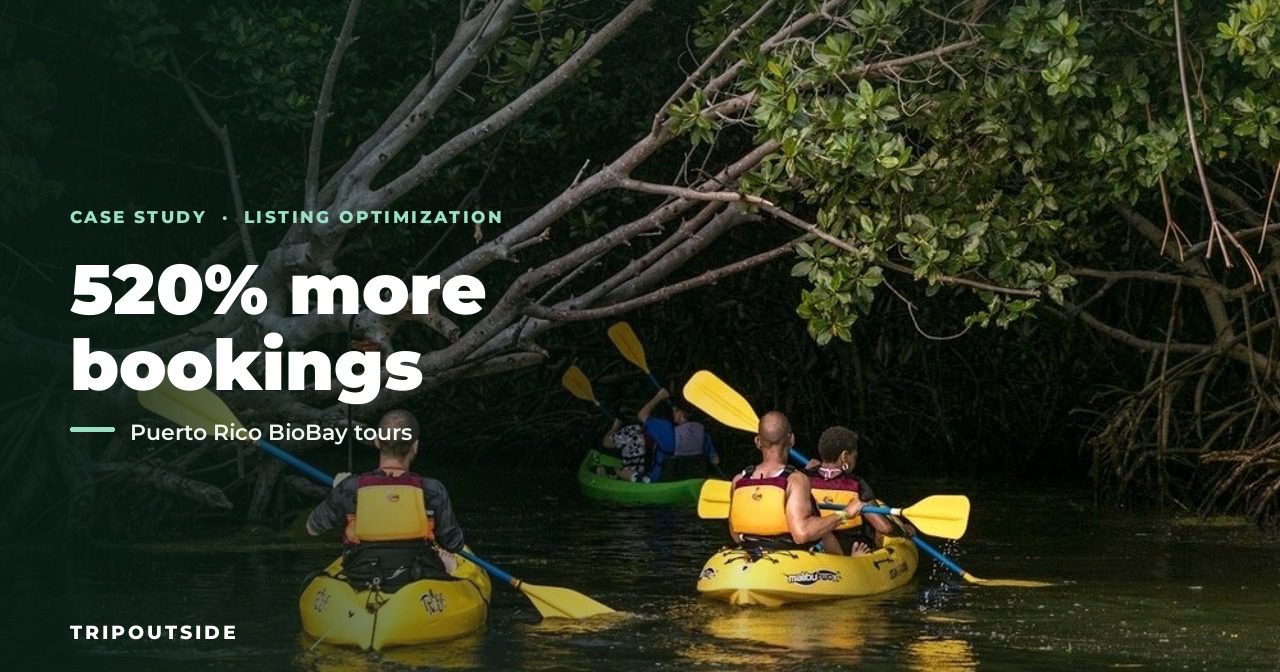
- Don’t miss: Pairing the snorkel day with a bioluminescent kayak tour at Laguna Grande – the bay glows neon blue in the dark, and Fajardo is one of only a handful of places on earth where this happens. Two of Puerto Rico’s most extraordinary water experiences in one trip.


Culebra & Vieques, Puerto Rico
Culebra and Vieques are two small Puerto Rican islands east of the main island, each with their own personality. They’re reachable by ferry from Ceiba (about 45–60 minutes) or a short hop on a regional flight from San Juan, and you can do either as a day trip or stay overnight if you want to slow down. Both have spent decades off the typical tourist track – Vieques was a US Navy bombing range until 2003, and Culebra has stayed deliberately undeveloped – and the result is some of the cleanest, healthiest reef snorkeling left in the Caribbean.
Culebra is the smaller, quieter sister. Its main draw is Flamenco Beach – regularly listed among the best beaches in the world, with a horseshoe of white sand and shallow turquoise water that snorkels well right from shore. Tamarindo Beach, inside the Luis Peña Channel Natural Reserve, is famous for green sea turtle encounters in the seagrass meadows. Carlos Rosario has some of the healthiest coral on the island. Visibility regularly hits 80 feet on calm days.
Vieques is larger, wilder, and more raw. About two-thirds of the island is now the Vieques National Wildlife Refuge — managed by US Fish & Wildlife and protected from development — which means miles of secluded beaches reachable only by boat or a long, dusty drive. The reefs around Punta Arenas (Green Beach), Mosquito Pier, and Pata Prieta are home to bigger marine life — eagle rays, nurse sharks, larger brain coral, and seasonal manatees. Vieques is also home to Mosquito Bay, the brightest bioluminescent bay in the world, where dinoflagellates light up so vividly you can read by the glow of your hand trailing through the water.
Our top picks: for a Culebra day trip from the mainland, the Culebra Snorkeling & Kayaking Tour with ferry tickets included handles the logistics: ferry from Ceiba, kayak across the Luis Peña Reserve to Tamarindo, snorkel with green sea turtles, then lunch and beach time at Flamenco.
If you’re staying on Vieques, the 6-Hour Snorkeling, Kayaking & SUP Tour covers three of the island’s best snorkel spots with clear-bottom kayaks and SUPs included – small group of 6 max, ideal for a slower-paced day.
- Where to snorkel: Culebra – Flamenco Beach, Tamarindo, Carlos Rosario, Luis Peña Marine Reserve; Vieques – Punta Arenas, Mosquito Pier, Pata Prieta
- Marine life: Green and hawksbill sea turtles, elkhorn and brain coral, eagle rays, parrotfish, angelfish, nurse sharks, occasional manatees (Vieques)
- Best time to go: December through April for calmest water and best visibility
- Closest airport: Vieques (VQS) and Culebra (CPX) for direct small-plane flights from San Juan; or take the ferry from Ceiba (45–60 min)
- Don’t miss: A night kayak on Mosquito Bay in Vieques. It’s the brightest bioluminescent bay on Earth, and the experience of paddling through water that lights up with every stroke is genuinely once-in-a-lifetime. The catch is timing: the bio bay only glows after dark, and the public ferry from Vieques back to Ceiba is unpredictable in the evening hours – Vieques residents get priority on tickets, and the late returns aren’t guaranteed to run. That leaves you two options – stay overnight on Vieques (which is a great excuse to spend more time on the island anyway), or book the Vieques Day Trip from San Juan, which handles the entire 11-hour adventure: hotel pickup in San Juan, ferry both ways, beach time, dinner at the Malecón in Esperanza, and the clear-bottom kayak tour through Mosquito Bay, with a late ferry back to Ceiba and a return to San Juan around midnight.


A Few Notes on Snorkeling Safety
The single best safety decision a beginner can make is to book a guided tour with a vetted local outfitter. A good guide handles the variables that catch people off guard — currents, weather windows, coral hazards, the right mask fit, and what to do if something goes wrong — and lets you focus on the experience.
That said, whether you’re with a guide or on your own, a few things worth keeping in mind:
- Use reef-safe sunscreen. Avoid oxybenzone, octinoxate, and parabens. Look for non-nano mineral formulas. A long-sleeve rash guard does the same job with less impact.
- Snorkel with at least one other person. Even strong swimmers can get into trouble with unexpected currents, leg cramps, or equipment issues.
- Read the conditions, not the calendar. A “calm” day on a calendar can still mean rough water on a particular beach. If swell is high, visibility is poor, or rip currents are present, skip it.
- Stay aware of where you are relative to shore. Snorkelers often drift without realizing it — pick a fixed reference point on land and check it every few minutes.
- Don’t touch coral or marine life. Even gentle contact can damage coral that took decades to grow, and many marine species will defend themselves if approached too closely.
Snorkeling and Leave No Trace
TripOutside is a Leave No Trace member because we believe the places we love to snorkel deserve to be preserved for the marine life that live there, and for others to visit and experience. The good news: snorkeling is a relatively low-impact activity if you do it right. The principles are simple, but they matter.
- Plan ahead. Check tide and weather conditions before you head out. Know what marine species you might encounter and how to interact with them respectfully — most marine wildlife (sea turtles, monk seals, manatees, dolphins) is federally protected, and there are real distance and approach rules.
- Travel and snorkel on durable surfaces. Don’t stand on coral. Ever. Coral is a living organism that takes decades to grow and seconds to break under the weight of one careless flipper. Float horizontally to the reef, and use sandy bottoms or rocky areas to rest.
- Dispose of waste properly. Pack out everything you bring in, including granola wrappers, hair ties, and anything else that can blow off a boat. Microplastics are now found in virtually every reef ecosystem on Earth.
- Leave what you find. No taking shells, coral, sand, or sea glass home. What looks like a souvenir to you is part of someone else’s habitat.
- Respect wildlife. Don’t chase, touch, or feed marine animals. Maintain the distances required by law (50 feet from Hawaiian monk seals, no chasing of manatees, passive observation only at Cabo Pulmo and other marine reserves). The fish, turtles, and rays don’t owe you a photo — they’re living their lives and the best wildlife encounters are the ones where the animal chose to come closer to you.
- Be considerate of other visitors and your guides. Tour operators are often the ones quietly pulling fishing line off coral, removing trash from beaches, and educating other snorkelers. Tip well, listen to their briefings, and follow their rules — they know things you don’t.
Final Thoughts
Whichever destination you pick, you’re entering a world that’s millions of years old and increasingly fragile. The best snorkeling trips do two things at once: they show you something you’ve never seen, and they leave the place better than you found it. Snorkel gently, ask your guide questions, and bring back stories instead of souvenirs. And if you book through TripOutside, every reservation also helps fund the work of The Conservation Alliance and Leave No Trace — which is how we make sure the next generation gets to see these places too.