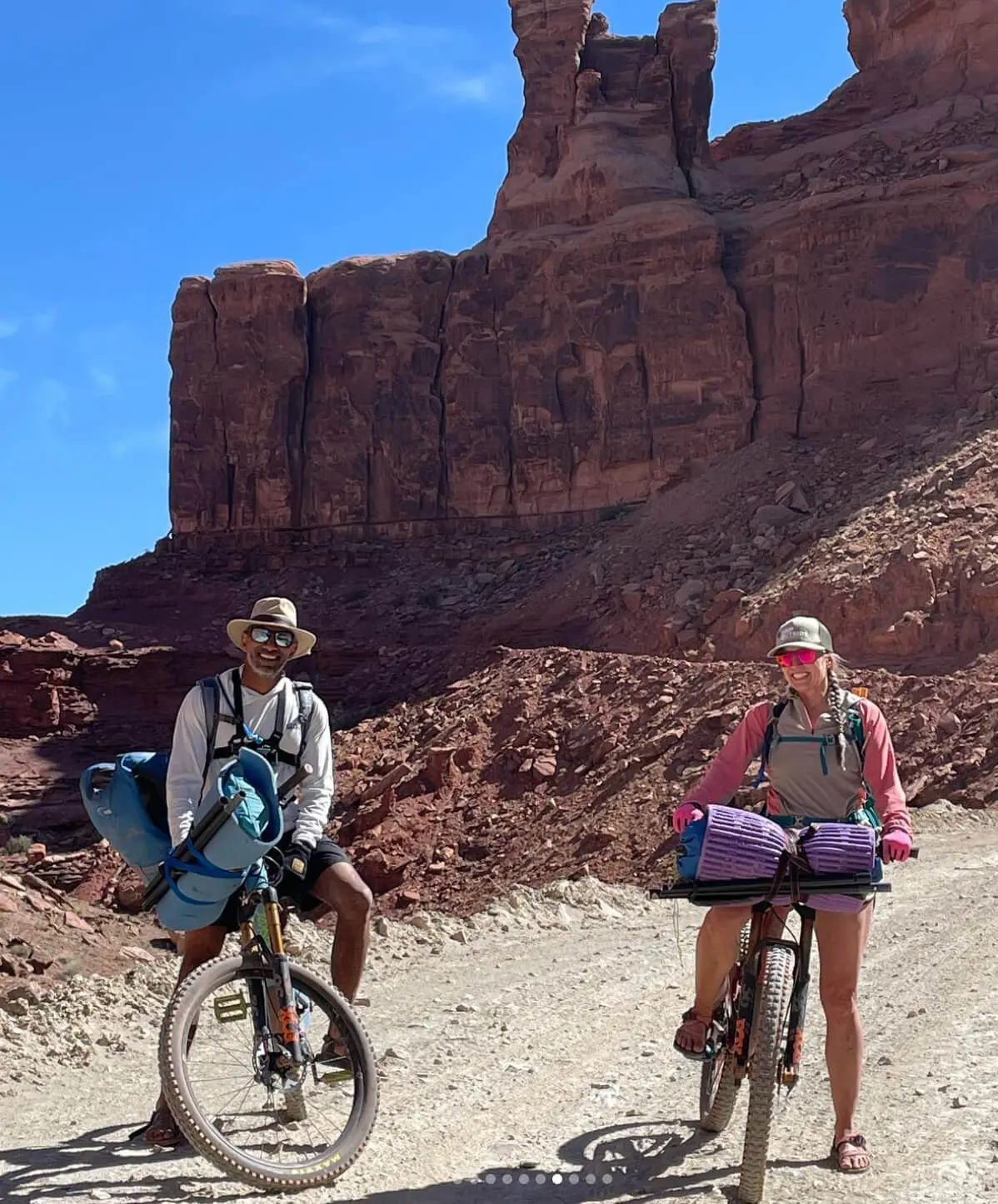

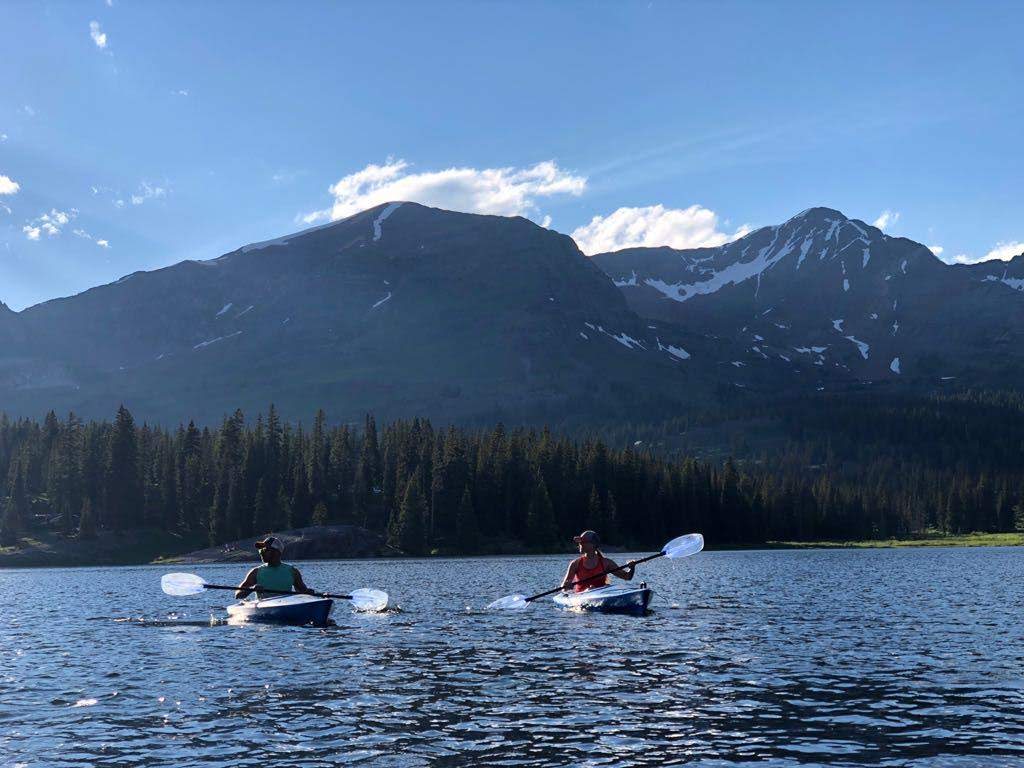
How you move through a place shapes your experience, and what you take from it — and what you leave behind.
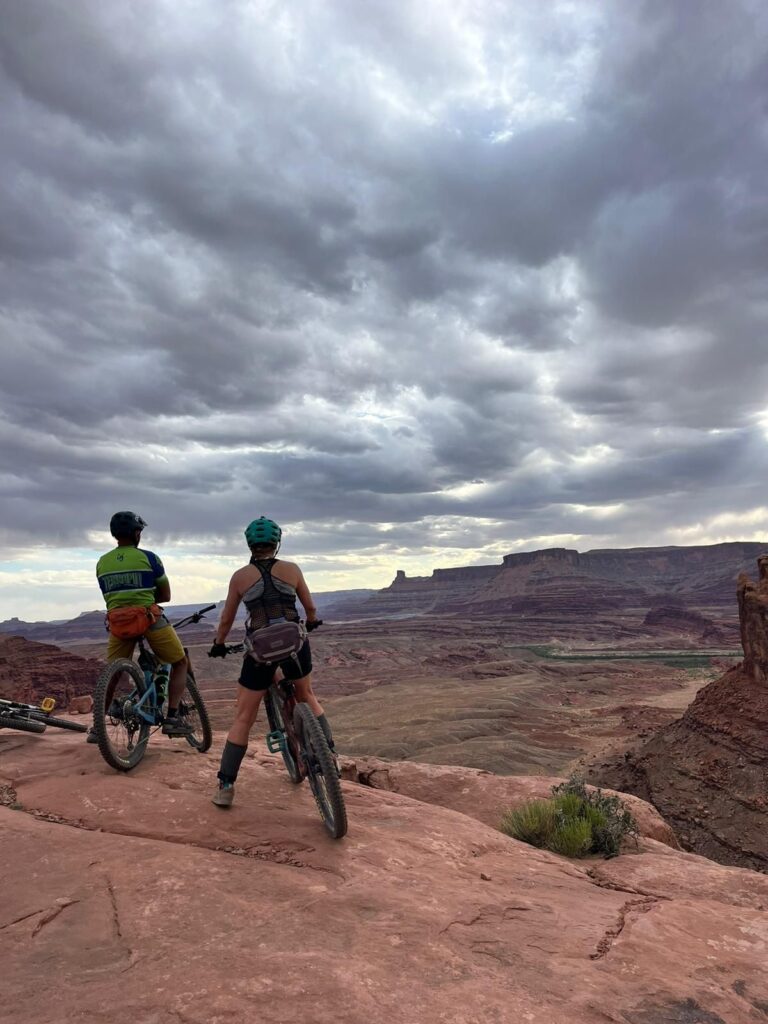
Somewhere above Moab last fall, we pulled off the trail to let a side-by-side convoy pass. Six machines, maybe twelve people, all visored and muffled behind roll cages, churning a red dust cloud that hung over the desert long after the engines faded. We stood there on our bikes in the quiet that came back, and it struck us – those folks and us, we came to the same landscape looking for the same thing. But we were going home with very different versions of it.
That’s the argument of this post, in one line: how you travel through a place determines the place you actually experience. A motor gets you to the view. Your own body – at whatever pace works for you – gets you the view, the smell of juniper after a rainstorm, the raven’s wingbeats overhead. Human-powered adventures aren’t just better for the land. They’re a better way to experience the outdoors.
And human-powered isn’t just for hardcore adventurers. A flat paddle on calm water is human-powered. A two-mile nature walk with a guide is human-powered. Cruising a paved bike path is human-powered. You don’t have to be fit. You don’t have to have gear. You don’t have to know what you’re doing. You just have to show up.
At TripOutside, every experience we feature is a human-powered adventure by design. We’re a proud member of The Conservation Alliance and Leave No Trace, and we vet every outfitter on the platform with conservation and low-impact outdoor recreation in mind. This is the ethos underneath the whole marketplace — here’s why it matters.
A Lighter Footprint on the Places We Love
Let’s be honest: almost nobody gets to a trailhead without burning some fuel. Human-powered travel isn’t zero-impact, and we’re not going to pretend it is.
But once you’re there and on the adventure itself – choosing a paddle over a prop, or a pedal over a throttle, adds up fast. A day on the water under your own power is a day without a two-stroke engine dripping oil into the lake. A mountain bike ride is a ride without exhaust in someone else’s lungs. Non-motorized recreation also spares the fragile stuff that gets crushed, rutted, and torn up under motorized weight: alpine soils, wetland edges, cryptobiotic crust in the desert, snowpack in the mountains.
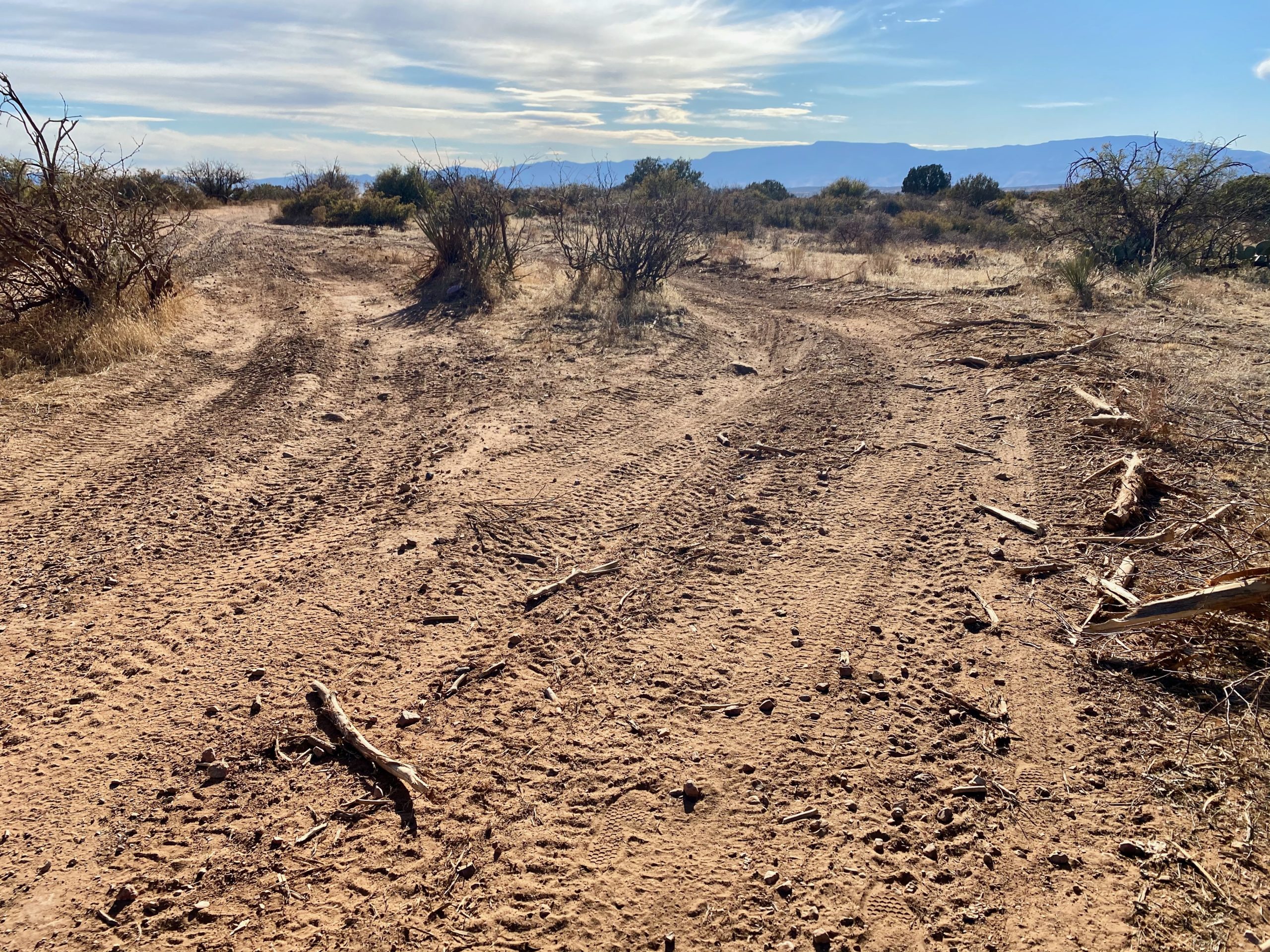
And there’s a scale problem that’s easy to miss. A person on foot or on a bike can only go so fast, so far, and over so much ground. A side-by-side can tear up more desert in an afternoon than a hiker could touch in a month. The machine makes destruction easy -sometimes before the driver even realizes it’s happening. When the tool is that powerful, small choices (one shortcut, one wet meadow, one “shouldn’t be a big deal”) compound into real damage. Human-powered travel puts a natural governor on how much harm a single trip can do.
Multiply that across a few thousand trips a season, across a marketplace of travelers making the same choice, and the math gets real.
What the Wildlife Hears (And What You Miss)
Here’s something we didn’t fully appreciate until we spent real time in the backcountry: animals hear engines from miles away. Elk move. Bighorn sheep leave their feeding grounds. Nesting birds abandon clutches. Researchers studying winter recreation have documented this over and over – motorized noise reshapes animal behavior across huge ranges, and the animals pay for it in energy, in stress, in survival.
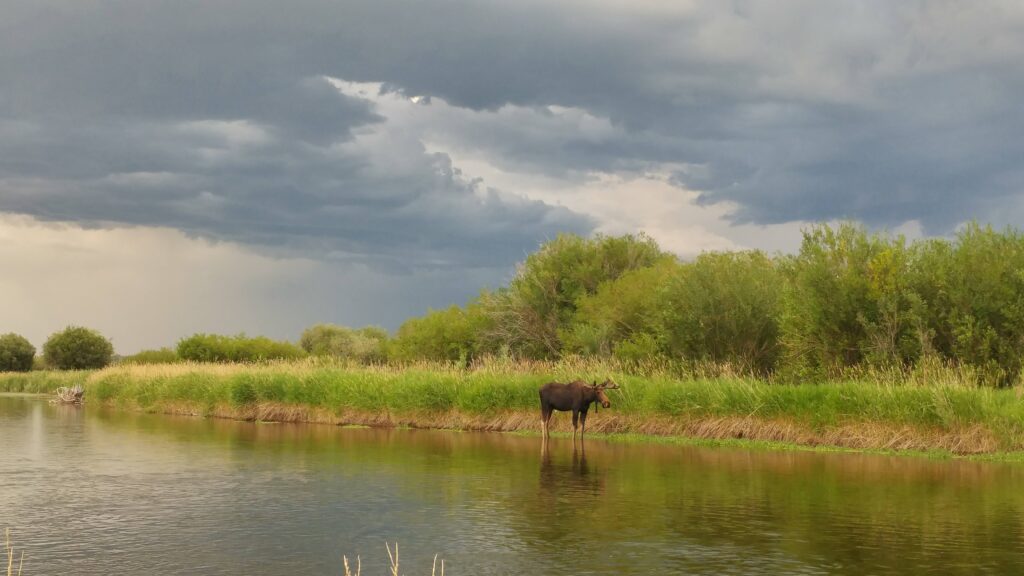
On foot or on a bike or in a kayak, you’re quiet enough that you might actually see them. We’ve watched a bobcat cross a trail twenty feet away, a moose and her baby drink from a pond, a bald eagle pull a fish out of a river – all things that would’ve happened a half-mile off if we’d been on a machine. The quieter you are, the more alive the country gets.
There’s also the question of everyone else. Sound carries a long way in open country, and a single ATV can flatten the experience for every hiker, camper, and paddler within earshot. You might be having the time of your life; the family on the ridge eating their sandwiches is hearing the drone of a motor that won’t quit. Silent sports share the space differently – they leave the soundscape intact for the next person.
A Quieter, Deeper Connection
There’s a reason people call these pursuits “silent sports.” Motors compress a landscape – you cover ground fast, the engine drowns out everything else, and the country flattens into scenery. Moving under your own power does the opposite. It stretches a place back out. You notice the drainage you just crossed because you crossed it. You hear the canyon wren – because in the quiet, the canyon wren is the whole show.
There’s also something about being inside a vehicle that separates you from what you’re moving through. You’re in a climate-controlled box, looking out a window. The smells don’t reach you. The temperature doesn’t shift on your skin when you drop into a canyon. You don’t feel the grade change under your legs. You get the postcard, not the place. Human-powered adventure is the opposite of that – there’s no barrier between you and nature. That’s the part that’s hardest to sell in a blog post and easiest to feel the first time you do it. You don’t just visit a place. You meet it.
A Better Story to Bring Home
The top of a climb you earned is a different top. The take-out after a paddle is a different kind of satisfaction than hopping out of a tour bus. There’s a reason nobody tells stories about the time they sat in a vehicle and got shuttled to a viewpoint. The story is in the participation.
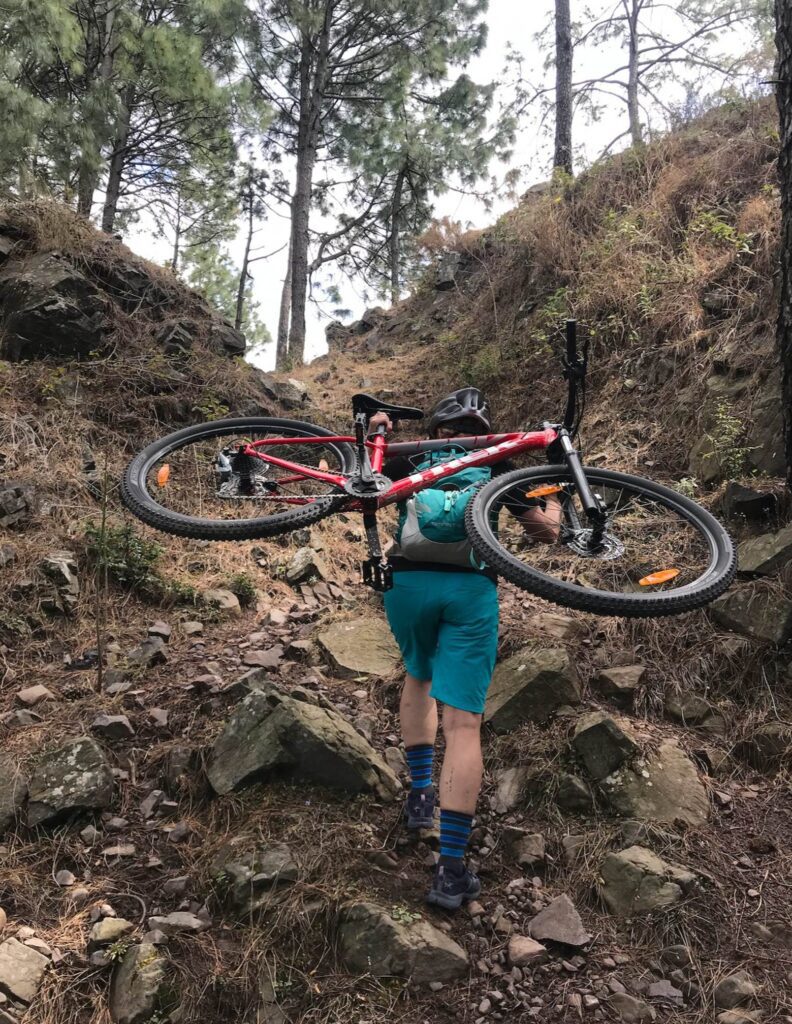
You come back with something to say. Your body remembers the trip. That’s the experience we think is worth building a company around.
And Yes — It’s Good for You
We’ll keep this short because you already know: moving your body outside is one of the most reliably healthy things a human can do. Cardiovascular, muscular, mental, all of it. Time in nature is linked to lower stress and better focus. And you don’t need to be a marathoner to get the benefits – a gentle paddle or an easy walk delivers more of them than most people realize.
Start Where You Are
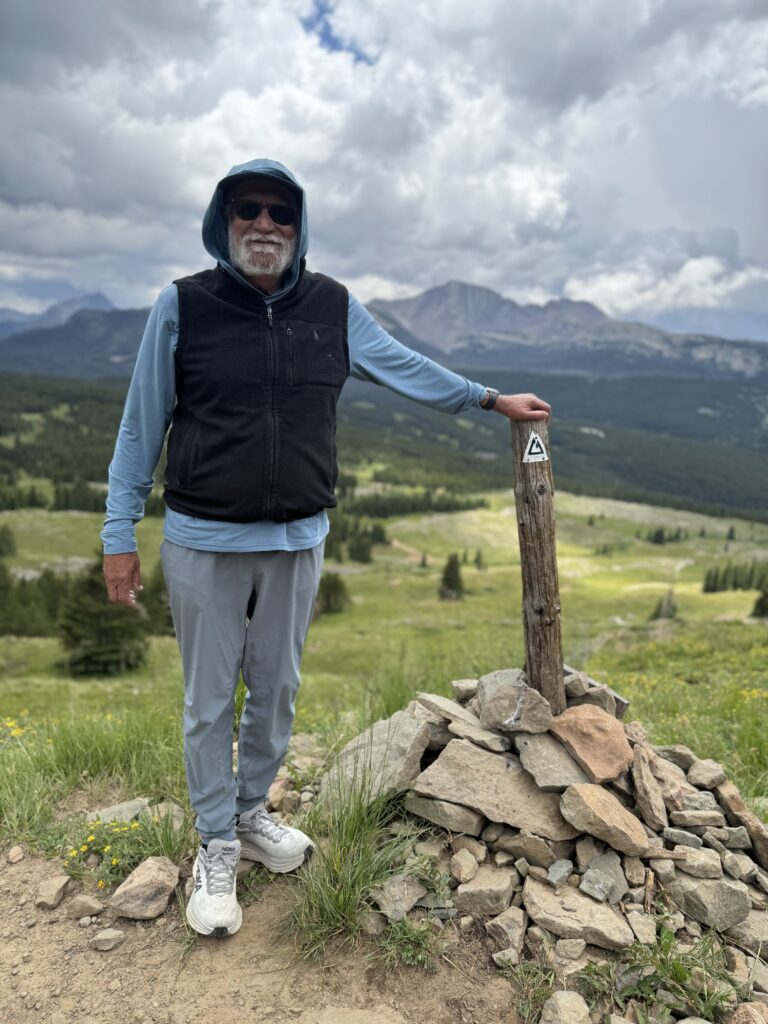
Real talk: most of us aren’t as active as we’d like to be. Desk jobs, long drives, the general gravity of modern life – it all catches up with us. If human-powered adventure conjures up images of ultra-fit people crushing big climbs and you’re thinking yeah, not me — this section is for you.
Here’s what we want you to know: human-powered doesn’t mean hard. It means self-propelled. A flat, two-mile bike cruise along a river is human-powered. A guided sunrise walk through a slot canyon is human-powered. A stand-up paddleboard lesson on a calm lake is human-powered. None of these require you to be in shape. They require you to be curious.
A few low-bar entry points we love:
- Guided nature walks and hikes on flat or gentle terrain. A naturalist guide means you’re stopping to look at things anyway — the pace is built in.
- Flatwater paddling — lakes, slow rivers, sheltered bays. Kayaking and canoeing on calm water is one of the most forgiving outdoor activities there is.
- E-bike tours. The motor helps on the hills. You still pedal, still feel the air, still stop at the overlook – but the grade isn’t the boss of your day.
- Introductory lessons. Ninety minutes with a pro who knows how to meet beginners where they are. This is the single highest-leverage way to start.
- Snowshoeing. If you can walk, you can snowshoe. It’s one of the easiest winter sports to pick up, and your first time out in quiet, snowy woods tends to be unforgettable.
The other thing worth saying: a good guide changes everything. Part of what TripOutside is for is connecting people with local experts who offer rentals, tours, and lessons at every experience level – and know how to customize the day to you. Tell them it’s your first time. Tell them you haven’t done this before. Any outfitter worth booking will meet you there – and the best ones will make you feel like the most capable version of yourself.
You don’t have to be ready. You just have to start.
Find Your Inner Badass
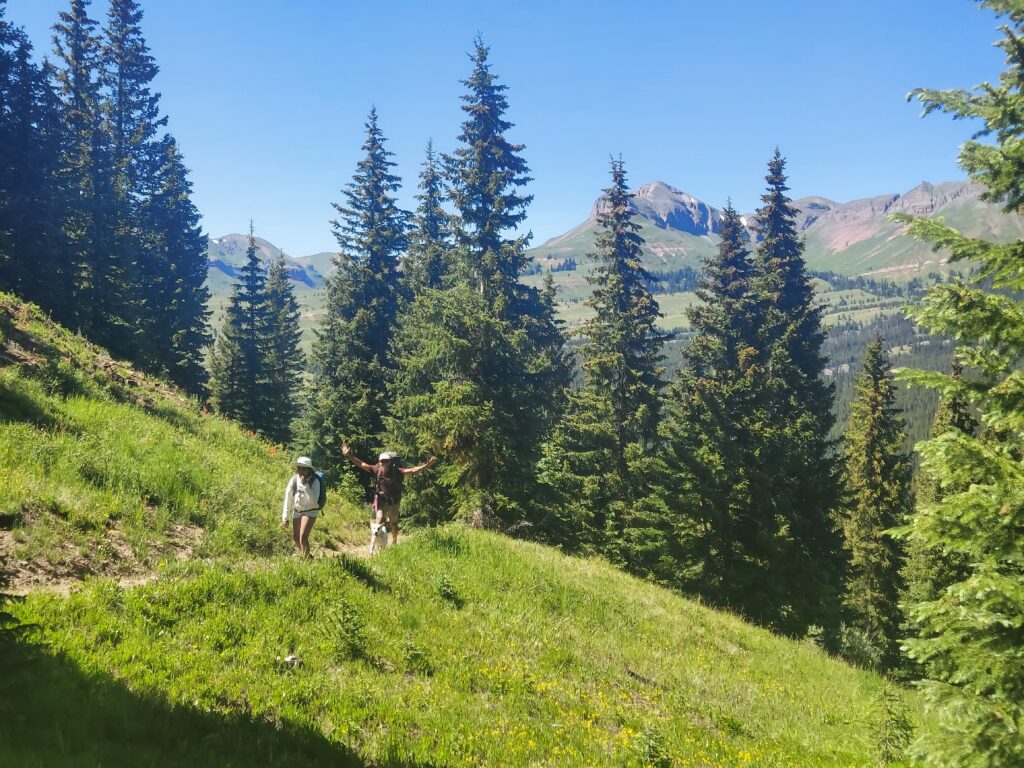
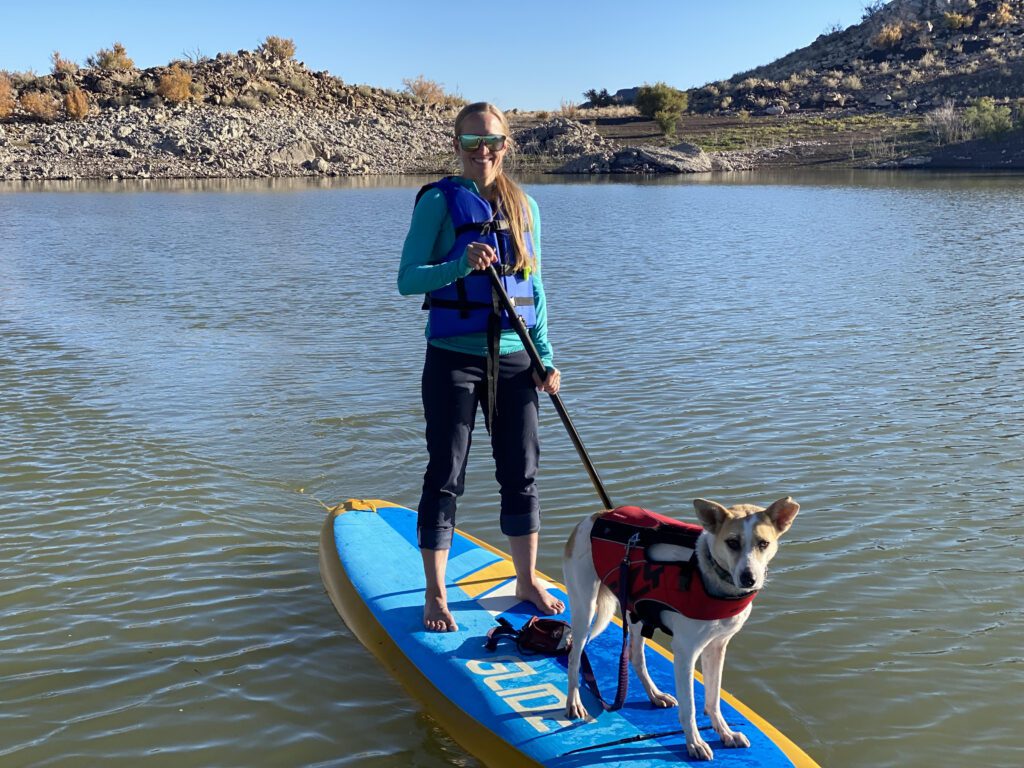
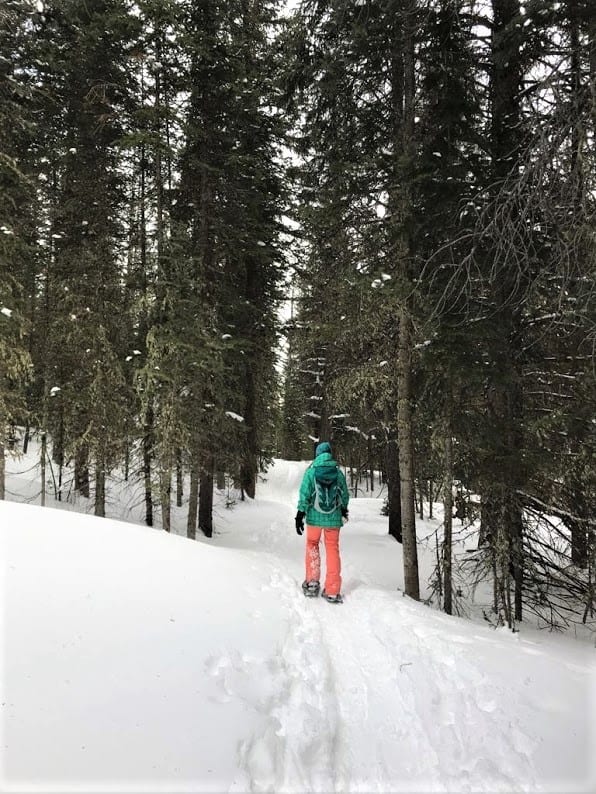
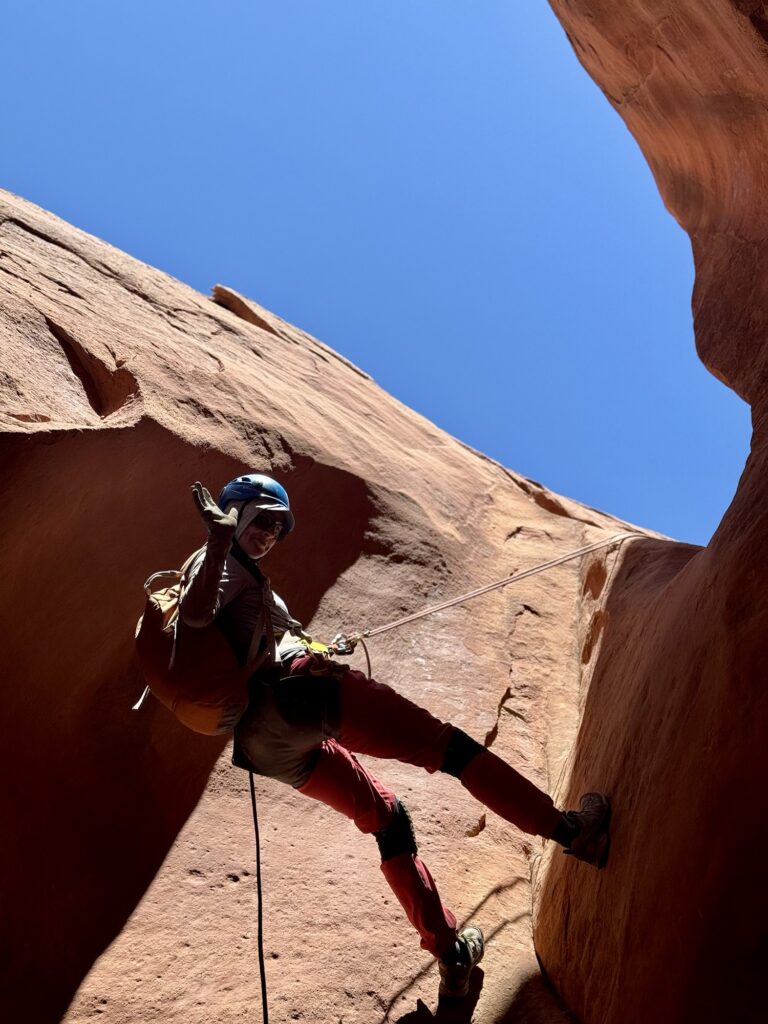
Badass isn’t a fitness level – it’s a choice. It’s the choice to swap the motor for the paddle, the shuttle for the bike, the window view for the real one. And every swap below works at whatever pace you want: beginner-friendly versions of all of these exist on our platform.
| Instead of… | Try this |
| ❄️ Snowmobiling | 🎿 Snowshoeing or cross-country skiing |
| 🛥️ Motorized boating | 🏄 Paddleboarding, kayaking, canoeing, kiteboarding, wing foiling |
| 🏍️ ATVs or off-roading | 🚵 Mountain biking or road biking |
| 🚗 Renting a car to sightsee | 🚲 Renting an e-bike |
| 🚐 An RV loop | 🎒 A backpacking trip |
| 🎣 Deep-sea fishing | 🤿 Snorkeling, freediving, or scuba diving |
| 🚁 A helicopter tour of the Grand Canyon | 🛶 A multi-day raft trip through it |
Don’t know where to start? That’s what a lesson is for – book one, learn from someone who’s spent years on the water or the trail, and go from there.
A Note on E-Bikes and Human-Powered
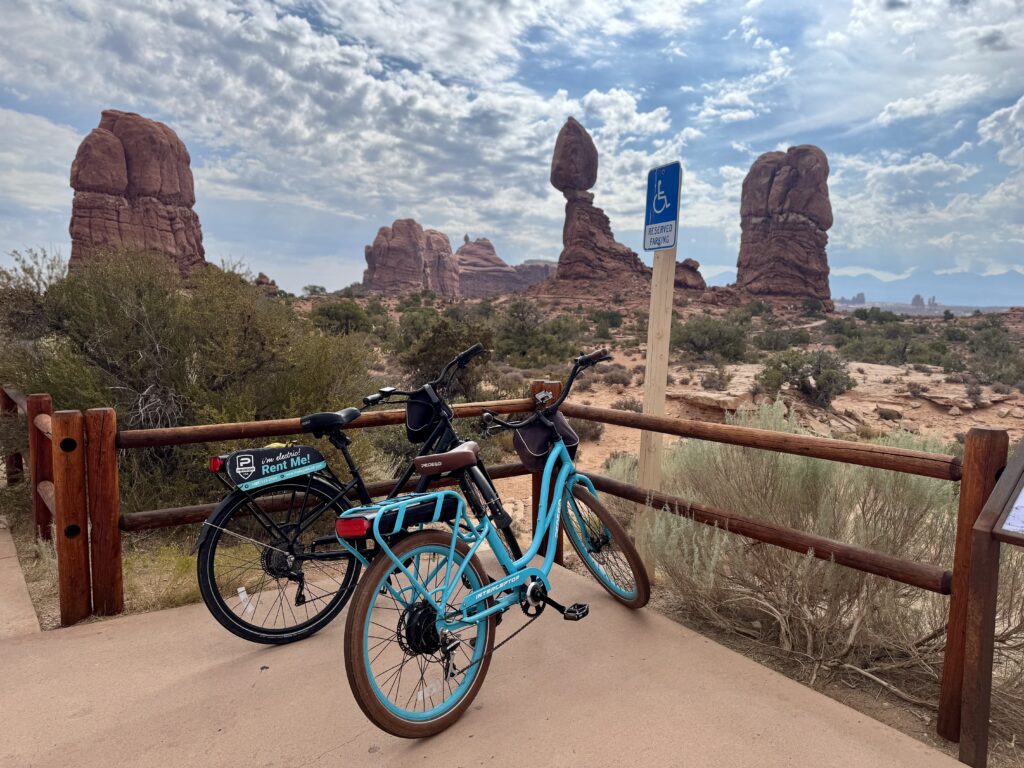
You’ll notice e-bikes on our platform and in the list above. We’ve thought about this a lot. A pedal-assist e-bike isn’t pure human power – but it’s also not a motorcycle. It gets people onto trails and roads who couldn’t otherwise be there: folks recovering from injury, seniors who still want to ride the trails, riders with different fitness levels riding together, travelers who want to cover real distance without a car, people getting back into biking for the first time in a decade.
Our test isn’t purity. It’s: does this get someone into a deeper, quieter relationship with a place, with less impact than the motorized alternative? E-bikes pass that test. So does adaptive equipment, so do guided tours and lessons that make technical terrain accessible to people who’d otherwise be shut out. Human-powered is a big tent, and we want it that way.
The Honest Caveat: Even Low-Impact Recreation Has Impact
Hiking, biking, and paddling can still damage the places we love. We push deeper into wildlife habitat. We widen singletrack when we hike together. We accidentally leave food scraps that train bears to associate humans with snacks.
Choosing human-powered adventures is a start, not a finish. The Leave No Trace Principles are the other half of the equation – stay on trail, pack it out, give wildlife space, don’t love these places to death. We have written more about this here, and we work with outfitters and guides who share this commitment.

Your Move
If this post resonated, the single most useful thing you can do is swap one trip this season. It doesn’t have to be epic. Pick a destination you’d normally sightsee from a vehicle, pick a pace that fits where you are right now, and browse human-powered rentals, tours, and lessons from vetted local outfitters. One swap. See how it lands.
We think you’ll be back for the next one.
Looking for inspiration? If you don’t think something is possible under your own power, this conversation with Darcy Gaechter might change your mind. Darcy is the first woman to kayak the Amazon River from source to sea.